November 16, 2026
A home can look attractive and still make ordinary routines harder than necessary. A crowded kitchen, limited bathroom storage, or poorly placed lighting can create small frustrations that add up over time. Remodeling offers a chance to address those problems while preserving the features people already enjoy.
According to the National Association of REALTORS® and NARI 2025 Remodeling Impact Report, 28% of homeowners said the single most important result of remodeling was better functionality and livability, while 23% cited beauty and aesthetics. That distinction is worth remembering when considering a residential remodeling service: an appealing finish matters, but a room should also work for the people who use it.
Start With the Routines That Need Improvement
Before choosing cabinets or flooring, notice where daily activities slow down. Perhaps people regularly cross the kitchen to reach supplies, struggle to find a place for coats, or wait for a bathroom that cannot accommodate the household's schedule. Write down those frustrations and identify which changes would make the biggest practical difference.
Consider who uses each space and how those needs might change. A household with children may want durable surfaces and easily reached storage, while someone working from home may need a quiet area with reliable lighting and outlets. Preferences vary, so a successful design should reflect actual habits rather than a generic trend.
Measure rooms, door swings, and major furniture before settling on a layout. Existing plumbing, load-bearing walls, and mechanical equipment may limit what can be moved. Discussing these conditions early helps separate achievable improvements from ideas that would require extensive work.
Make the Kitchen Easier to Use
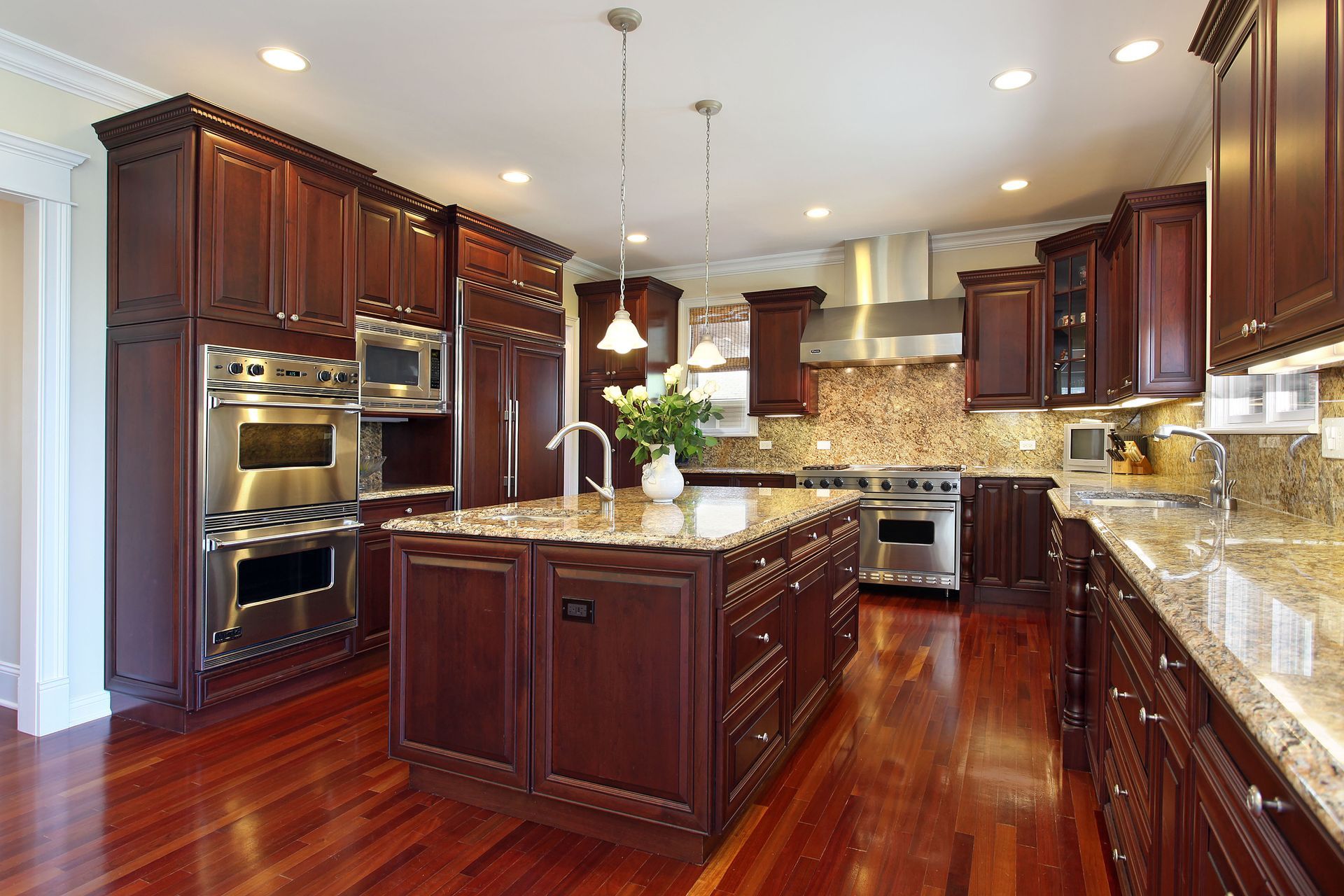
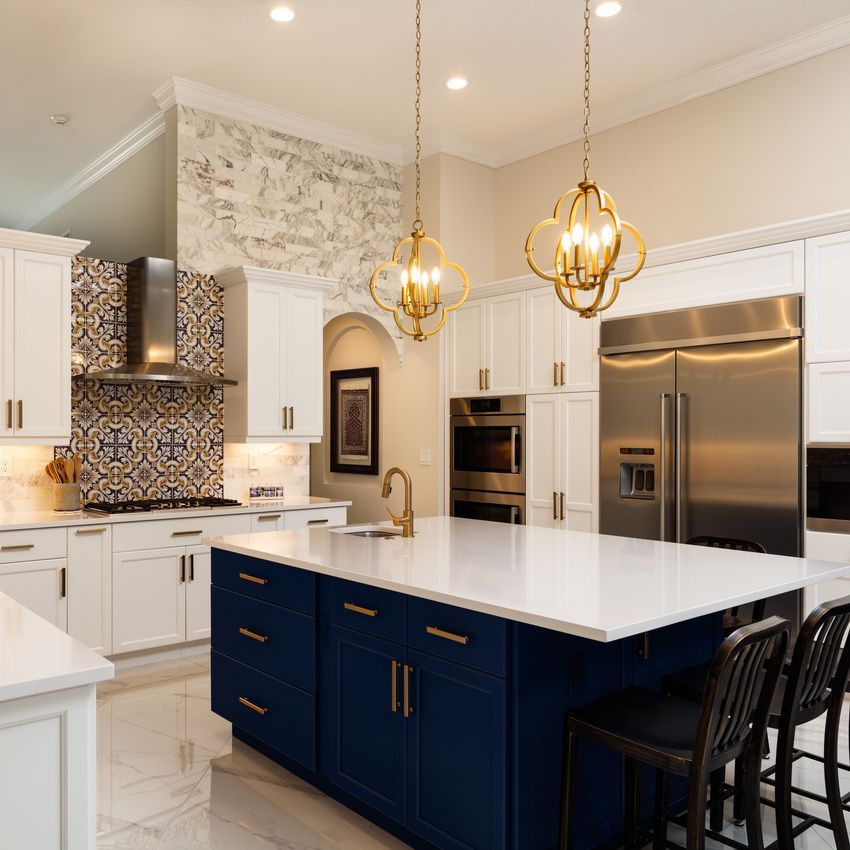
Kitchen remodeling works best when preparation, cooking, cleanup, and storage fit together naturally. Counter space beside the refrigerator gives people somewhere to set groceries, while accessible drawers can make cookware easier to reach. Even a modest change in cabinet placement may improve movement without removing walls.
An open-concept layout can bring more light and conversation into adjoining rooms, but it is not the right choice for everyone. Removing a wall may reduce storage, increase noise, or require structural changes. A residential remodeling service should consider these tradeoffs before recommending a larger opening or complete redesign.
Choose appliances based on cooking habits and available space rather than features that sound impressive in a showroom. Check clearances around doors, ovens, and walkways. Durable counters, sufficient task lighting, and thoughtfully located outlets often contribute more to everyday comfort than elaborate additions that receive little use.
Improve Bathroom Comfort and Accessibility
A bathroom should be easy to enter, navigate, and clean. Poor ventilation, cramped storage, and awkward fixture placement can make daily routines frustrating. A remodel might involve a better vanity layout, improved lighting around the mirror, or a shower configuration that provides more comfortable access.
Walk-in showers, handheld showerheads, slip-resistant flooring, and strategically placed grab bars can support a range of mobility needs. These features do not have to make the room look institutional. When planned together, they can blend with the overall design while making the space more practical for visitors and residents alike.
Before moving plumbing, evaluate the existing layout and the condition of materials beneath surfaces. A residential remodeling service can help homeowners consider how desired changes relate to ventilation, waterproofing, and available room. Proper installation matters more than luxury finishes when the goal is a bathroom that performs reliably over time.
Put Storage Where Belongings Are Used
Clutter is often a layout problem rather than a lack of effort. If backpacks collect near the door, the entryway may need hooks, shelves, or a bench with storage. If cleaning supplies take over the laundry room, cabinets and pull-out organizers may provide a more workable arrangement.
Built-in shelving can use awkward wall areas, but it should not make walkways feel narrow. Deep cabinets are not always better; drawers and adjustable shelves can help people find items without reaching behind stacks. Think about the size and weight of what will be stored before selecting hardware and shelf heights.
Storage needs change as households grow or routines shift. Leaving some flexibility in a residential remodeling service plan makes it easier to reorganize later. The aim is not to hide everything behind doors, but to give frequently used belongings convenient places so rooms remain comfortable to use.
Create Rooms That Can Adapt Over Time
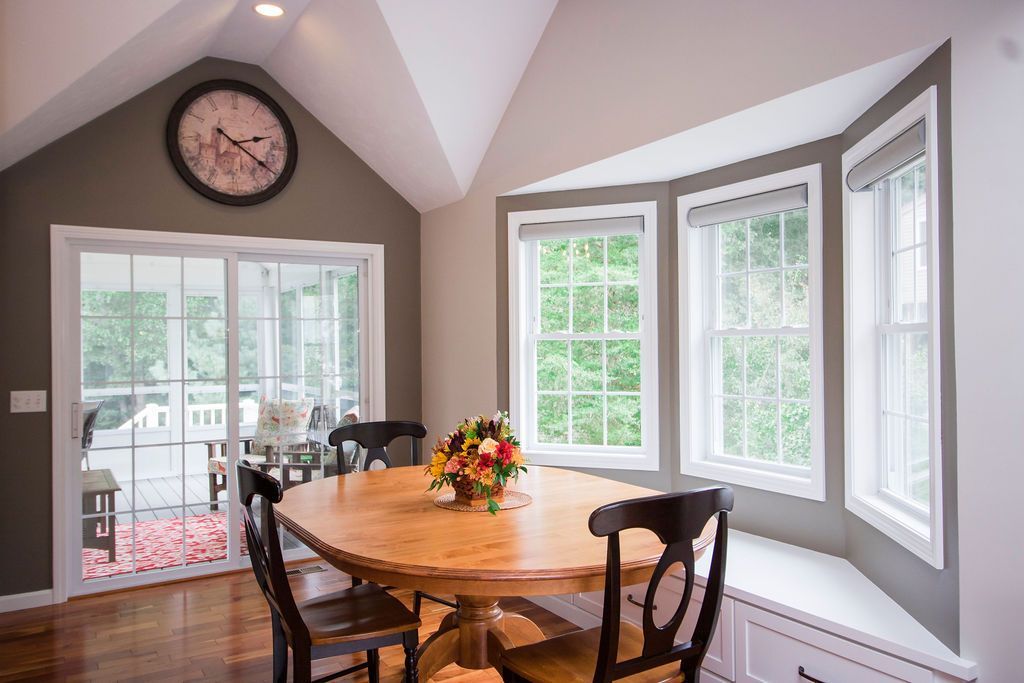
A spare bedroom might serve as a workspace today and a guest room later. A dining area may double as a place for school projects or hobbies. Instead of committing every room to one narrow purpose, consider flexible furniture arrangements, accessible outlets, and lighting that accommodates different activities.
Traffic flow is important in shared spaces. People should be able to move between furniture and doorways without squeezing through tight gaps. When a remodel changes walls or openings, a qualified professional should assess structural requirements and applicable permits before work begins.
Privacy also deserves attention. Open layouts can encourage conversation, yet they may spread sound between cooking, working, and relaxing areas. Partial partitions, doors, or thoughtfully placed storage can preserve useful separation.
Address Light, Ventilation, and Comfort
A fresh paint color cannot compensate for a dim work surface or a room that never feels comfortable. Layering ambient, task, and accent lighting can improve visibility and create a welcoming atmosphere. Windows, window coverings, and fixture placement all influence how a space feels throughout the day.
Comfort also depends on factors that are less visible. Drafts, insufficient insulation, poor ventilation, or moisture problems should be investigated before new finishes conceal them. During a residential remodeling service project, these conditions may need attention from qualified tradespeople rather than a cosmetic fix.
Energy-efficient fixtures and appliances can be useful, but performance depends on installation and actual use. Review ventilation needs in bathrooms and kitchens, and select products appropriate for the room. Practical improvements should reduce everyday inconvenience without introducing complicated systems that are difficult to operate or maintain.
Plan the Work Around Realistic Priorities
Not every useful remodel requires a complete transformation. Replacing worn flooring, improving storage, or reconfiguring a single problem area may address a household's biggest concern. Set priorities by considering safety, daily use, condition of existing materials, and how long the improvement is expected to remain useful.
Ask for a written scope that explains materials, construction steps, anticipated disruptions, and how changes will be approved. Remodeling sometimes reveals hidden damage, particularly after walls or flooring are opened. A realistic budget should account for that possibility without assuming every project will encounter major surprises.
Discuss where household members will cook, bathe, or work during construction. Protecting belongings and keeping access routes clear can make the experience more manageable. Clear communication with contractors also helps homeowners understand what is included and when decisions are needed.
Make Everyday Livability the Measure of Success
The best remodeling result is not simply a room that photographs well. It is a kitchen with comfortable workspace, a bathroom that fits daily routines, or a living area that gives people room to gather and unwind. Choosing improvements around real needs helps beauty and function work together.
For homeowners exploring a
residential remodeling service, B & D Construction Co. Inc. can be a starting point for discussing layout preferences and practical goals. Focus on the changes that would make the greatest difference in everyday life, then build a plan that respects the home's character and the household's priorities.