October 22, 2026
The decision to update a home brings a profound sense of excitement and anticipation for the future. Transforming an outdated kitchen, expanding a cramped bathroom, or completely reconfiguring a main living floor fundamentally changes how a family interacts with their environment. Homeowners embark on these journeys to breathe new life into their properties, adapting their spaces to better suit evolving lifestyles, growing families, or the desire to age in place comfortably.
These modifications enhance daily routines, providing improved functionality and upgraded aesthetics that reflect personal tastes. However, the enthusiasm of starting a new project often encounters the reality of industry timelines and unprecedented demand. Deciding to update a living space brings excitement, but securing a reliable residential remodeling service requires strategic planning and proactive decision-making.
Waiting until the last minute to find professionals leads to frustration, compromised choices, and extended timelines. The modern construction landscape operates on long lead times, with skilled tradespeople booking their schedules months, and sometimes even a full year, in advance. Supply chain dynamics further complicate the process, as custom materials, specialized fixtures, and bespoke cabinetry require significant time from order to delivery.
Understanding these variables empowers property owners to approach their renovations with realistic expectations and a structured plan of attack. By taking action early, homeowners position themselves at the front of the line. This forward-thinking strategy ensures their projects receive the attention, expertise, and resources required for successful execution without facing unnecessary delays or compromises in quality.
Understanding the Remodeling Landscape
The current state of the home renovation market presents a unique set of challenges and opportunities for property owners. Demand for skilled labor and quality materials remains exceptionally high, driven by an increased focus on comfortable, multifunctional living spaces. According to Home Franchise Concepts, the home improvement sector is projected to reach a valuation of $600 billion by the year 2027.
This staggering figure highlights the sheer volume of projects happening nationwide. With millions of households investing in their properties simultaneously, the competition for top-tier contractors is fierce. This reality underscores the importance of initiating the planning phases long before the desired start date, ensuring adequate time to secure top talent.
High demand means finding an available residential remodeling service takes longer than before. Professionals select projects matching their expertise, making organization essential for homeowners. Defining inspiration, timelines, and budgets streamlines initial builder conversations and proves project readiness.
Modern renovations integrate smart technologies, energy efficiency, and sustainable materials. Executing these upgrades requires experienced builders well-versed in updated standards and installation techniques. Partnering with skilled contractors ensures complex designs are managed effectively, emphasizing the need for early preparation and thorough vetting.
Evaluating the Project Scope
Defining the boundaries of a renovation project serves as the foundation for a successful outcome. Before reaching out to professionals, property owners need a clear understanding of their primary objectives and desired aesthetic. A well-defined scope of work outlines every detail, from structural changes and room additions to surface-level cosmetic updates.
This clarity prevents scope creep, a common phenomenon where projects slowly expand beyond original intentions, resulting in unexpected costs and extended timelines. Establishing strict parameters early in the process keeps the entire team focused and accountable.
Before contacting a residential remodeling service, homeowners must define their vision and set realistic financial boundaries. Creating a categorized list of needs and wants helps prioritize essential upgrades while separating luxury additions. Needs address critical structural or system repairs, whereas wants encompass premium finishes.
Establishing a solid budget requires researching material and labor costs while factoring in a contingency fund for unexpected issues behind walls or under floors. Hidden plumbing or electrical faults can arise quickly. A contingency safety net prevents financial stress, and sharing a realistic budget during initial meetings fosters immediate transparency and trust.
Choosing the Right Professionals
Selecting the team to execute a home transformation is the most critical decision in the entire process. The right professionals bring a wealth of experience, technical skill, and project management capabilities to the table. Thoroughly vetting potential candidates involves checking licenses, verifying insurance coverage, and reviewing past work portfolios.
A reputable company gladly provides references from previous clients, offering insight into their communication style, reliability, and the overall quality of their craftsmanship. Speaking directly with past clients provides invaluable perspective on how the contractor handles adversity and maintains site cleanliness.
Entrusting a home to a residential remodeling service ensures complex structural and electrical tasks are executed safely, complying with local building codes. Undertaking significant renovations without expertise frequently causes costly mistakes and severe safety hazards. Professional tradespeople possess the specialized tools, technical knowledge, and industry relationships needed to navigate construction complexities, seamlessly coordinating plumbers, electricians, and carpenters.
Furthermore, clear communication serves as the bedrock of any successful contractor and client relationship. A dedicated team carefully listens to your overall vision, offers expert advice, and consistently provides progress updates. This transparent communication perfectly aligns expectations, resolving potential issues before they escalate.
Preparing the Home Environment
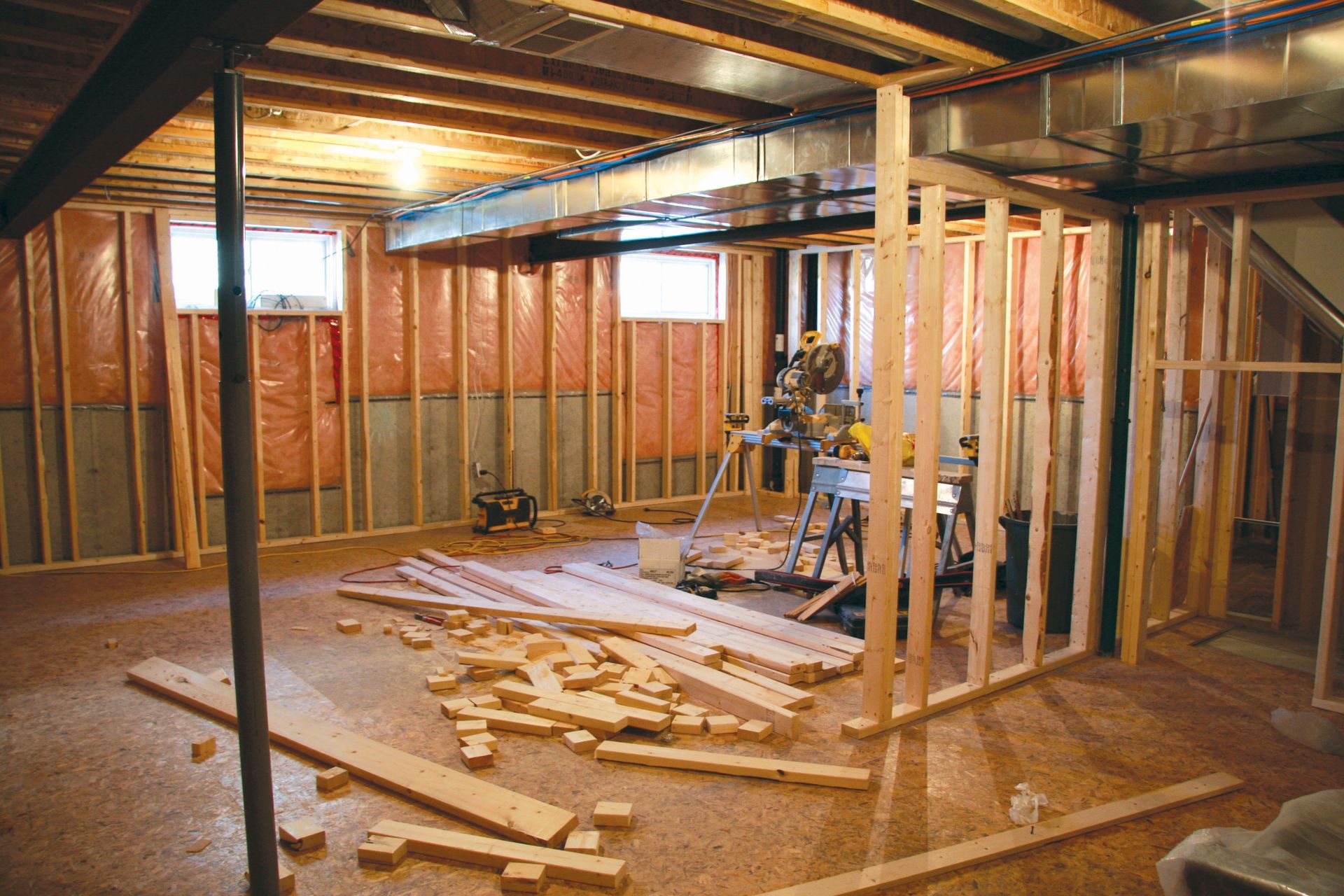
Once the contracts are signed and the start date approaches, attention shifts to readying the physical space for construction. Renovations are inherently disruptive, generating dust, noise, and significant foot traffic throughout the property. Minimizing this disruption requires proactive organization and logistical planning. Creating a designated staging area for materials and tools helps contain the chaos and provides the crew with a dedicated space to operate efficiently. Securing valuables and delicate items in a remote part of the house prevents accidental damage during the heavy lifting phases.
Preparing the physical space before the residential remodeling service arrives ensures a smooth workflow. Clear the work zone of all furniture and fragile items to give workers unobstructed access. For extensive projects like kitchen remodels, setting up a temporary kitchenette with a microwave and small refrigerator helps your household maintain daily routines without interrupting tradespeople.
Protecting the rest of your home is equally important. Discuss containment strategies with your contractor beforehand, utilizing heavy-duty plastic barriers and floor protection to prevent dust from migrating. These preparatory steps minimize stress, keep untouched areas clean, and promote safety for the family and crew.
Navigating the Scheduling Process
Securing a coveted spot on a contractor's schedule requires foresight and an understanding of industry rhythms. The most highly regarded professionals boast busy calendars, particularly during peak building seasons. Waiting until the weather warms up to begin the search frequently results in disappointment, as schedules are already filled with projects planned months in advance. The key to beating the rush lies in initiating the conversation during the slower seasons, allowing ample time for the comprehensive design, permitting, and material procurement phases to conclude before physical labor begins.
Locking in a residential remodeling service early allows homeowners to beat the seasonal rush and enjoy their updated spaces sooner. The pre-construction phase often takes as long as the physical work itself. Drafting architectural plans, submitting permit applications to local municipalities, and waiting for custom material deliveries consume significant portions of the timeline. Initiating this process well ahead of the targeted completion date provides a comfortable buffer for municipal delays or unexpected supply chain interruptions, ensuring the project remains on track and progresses without sudden halts.
Finalizing the schedule involves a detailed review of the proposed timeline, understanding the sequence of work, and establishing protocols for daily site access. A well-organized contractor provides a clear roadmap of the project phases, keeping the homeowner informed of upcoming milestones and required decisions. This structured approach eliminates guesswork and fosters a collaborative environment where both the clients and the builders work toward a shared vision.
By understanding the market, preparing diligently, and partnering with experienced professionals, homeowners successfully navigate the complexities of construction. Securing a skilled team transforms a daunting undertaking into a highly rewarding investment in your property's functionality and your family's daily comfort. Ensure your project starts on the right timeline by scheduling a consultation with B & D Construction Co., Inc today.