November 3, 2026
Maintaining a comfortable, energy-efficient home starts with windows that provide reliable insulation throughout the year. Older windows can contribute to drafts, uneven indoor temperatures, and higher utility bills. By understanding modern window features and working with experienced professionals, homeowners can make informed decisions that improve comfort, reduce energy waste, and support long-term savings.
Understanding Heat Transfer and Its Impact on Home Energy Efficiency
Windows play a major role in maintaining comfortable indoor temperatures and controlling household energy costs. Older or poorly insulated windows allow heat to escape during winter and enter during summer, forcing heating and cooling systems to work harder. Window replacement companies help homeowners address these issues by recommending modern windows that improve insulation and reduce energy consumption.
According to the U.S. Department of Energy, heat gain and heat loss through windows are responsible for 25%–30% of residential heating and cooling energy use. Replacing inefficient windows can help reduce energy waste while improving indoor comfort and supporting long-term savings.
Recognizing the Main Types of Heat Transfer
Heat moves through windows through conduction, convection, and radiation. Conduction transfers heat through materials such as glass and frames. Convection involves moving air, while radiation allows sunlight to pass through glass and warm interior spaces. Modern window technologies address these processes through insulating glass, specialized coatings, and improved frame materials.
Evaluating Existing Window Performance
Drafts, condensation between glass panes, deteriorating seals, and difficulty opening or closing windows can indicate that repairs or replacement may be necessary. Professional evaluations examine factors such as U-factor, solar heat gain coefficient, and air leakage ratings. Window replacement companies use these measurements and local climate conditions to recommend suitable products.
Comparing Energy-Efficient Window Features
Choosing Double-Pane and Triple-Pane Glass
Double-pane and triple-pane windows generally insulate better than single-pane designs. Multiple glass layers create insulating spaces that slow heat transfer, often with argon or krypton gas added to improve performance.
Triple-pane windows provide another layer of insulation and may reduce outside noise. The best choice depends on climate, budget, existing frames, and household priorities. Comparing energy ratings helps homeowners identify products that offer appropriate performance without unnecessary expense.
Selecting Low-Emissivity Glass Coatings
Low-emissivity, or Low-E, coatings help control radiant heat transfer through glass. These thin coatings reflect infrared energy while allowing visible light to enter. Depending on the coating, windows can retain indoor warmth during winter or reduce unwanted solar heat during summer.
Window orientation, shading, and local weather influence which coating works best. Professional recommendations from window replacement companies can help homeowners balance natural light with comfortable indoor temperatures.
Improving Insulation With Gas Fills and Spacers
Argon and krypton gases fill the slow heat transfer between glass panes. Spacers maintain separation between the panes, while advanced materials can reduce heat movement around the glass edges and help limit condensation. Together, these components contribute to overall window efficiency. Homeowners should compare complete product ratings rather than focusing on individual features.
Recognizing the Benefits of Energy-Efficient Windows
Reducing Household Energy Costs
Improved window insulation can reduce heating and cooling demands by limiting unwanted heat transfer and air leakage. Actual savings depend on existing window conditions, climate, energy prices, and replacement product performance.
Although energy-efficient windows require an upfront investment, lower utility expenses may help offset some costs over time. Homeowners should compare installation expenses with expected energy savings and other long-term benefits.
Maintaining Comfortable Indoor Temperatures
Inefficient windows can create cold spots during winter and excessive warmth near sunny windows in summer. Better glazing, insulated frames, and properly sealed installations help reduce temperature differences and drafts.
Modern windows may also reduce outside noise and limit condensation when indoor humidity is properly managed. These improvements can make living spaces more comfortable throughout the year.
Supporting Environmental Sustainability
Reducing household heating and cooling demand can lower emissions associated with electricity generation and fuel consumption. Replacement windows can complement other improvements, including insulation upgrades, air sealing, and HVAC maintenance. A whole-home approach helps homeowners address multiple sources of energy waste.
Understanding the Value of Professional Window Replacement
Receiving Personalized Product Recommendations
Window replacement companies help homeowners evaluate products based on property design, existing window conditions, budget, and energy-saving goals. Professional guidance clarifies differences between frame materials, glazing options, operating styles, and performance ratings.
Recommendations should reflect each home's needs. A shaded room may require different features from a window exposed to strong sunlight. Considering these factors helps homeowners balance insulation, appearance, durability, and natural light.
Ensuring Accurate Measurements and Proper Installation
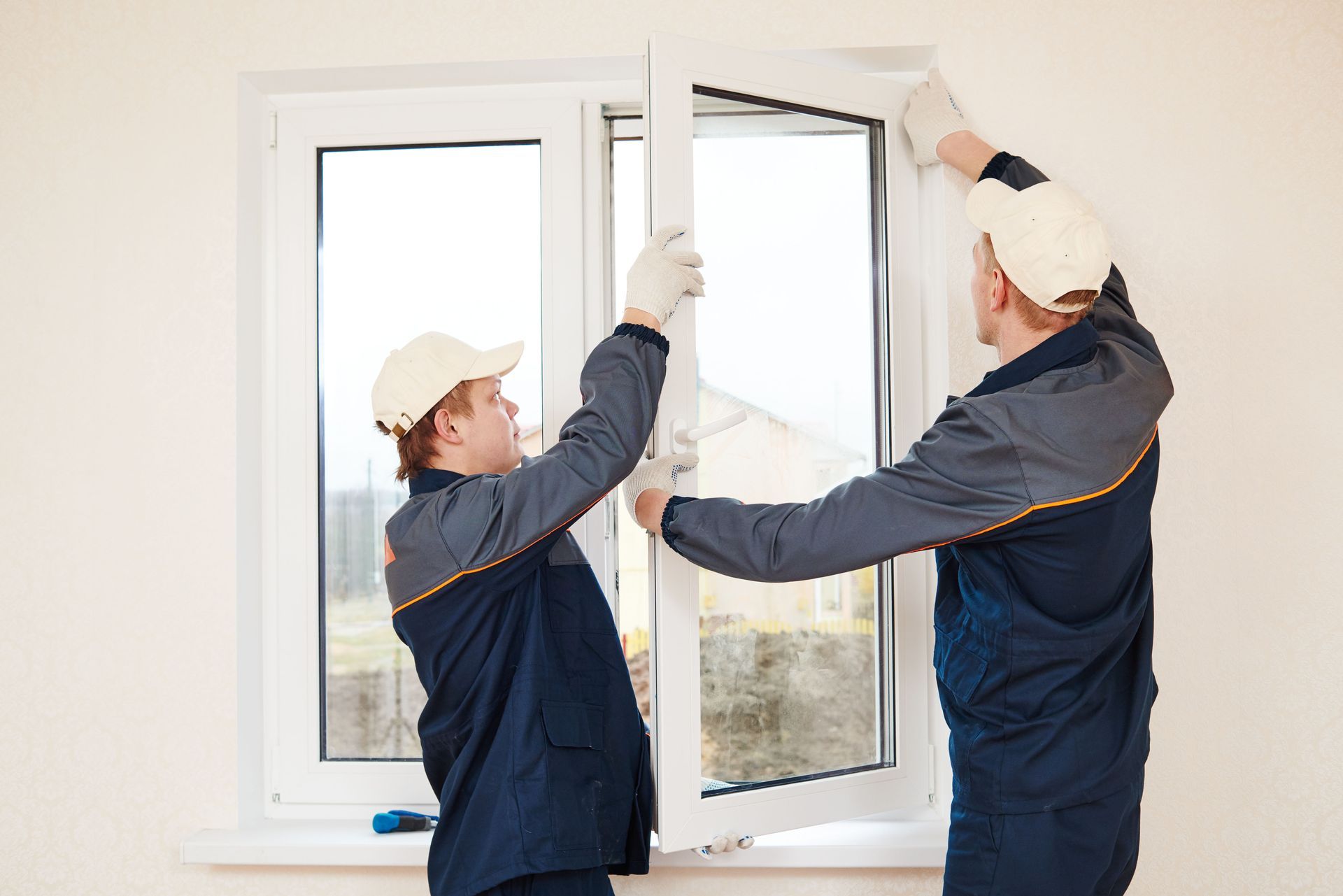
Even high-performance windows may underperform when installed incorrectly. Poor measurements, gaps around frames, and inadequate sealing can cause air leakage and moisture problems. Professional installers take accurate measurements and follow appropriate procedures to create a secure fit.
Homeowners should ask about installation methods, product warranties, workmanship coverage, and how unexpected issues will be handled. Proper installation helps protect the surrounding structure and supports long-term window performance.
Matching Window Designs to the Home
Replacement windows should complement a property's architectural style while meeting practical needs. Double-hung, casement, sliding, and picture windows offer different advantages for ventilation, operation, and appearance.
Vinyl, fiberglass, wood, and composite frames also vary in durability, maintenance, and thermal performance. Comparing these characteristics helps homeowners choose products that suit their preferences and budget.
Evaluating Window Replacement Companies
Reviewing Reputation and Customer Feedback
Customer reviews and references can provide insight into a company's reliability, communication, and workmanship. Look for feedback about scheduling, installation quality, cleanup, and how concerns are resolved. Written estimates should clearly show costs.
Verifying Qualifications and Warranties
Licensing, insurance, manufacturer training, and relevant industry credentials can help homeowners evaluate a contractor's qualifications. Requirements vary by location, so homeowners should verify applicable regulations and confirm the company's credentials.
Product warranties may cover manufacturing defects, while workmanship warranties address certain installation issues. Reviewing both before signing a contract helps homeowners understand their protection after installation.
Comparing Products and Written Estimates
Obtaining multiple estimates makes it easier to compare frame materials, glass specifications, energy ratings, installation procedures, and additional charges. A lower initial price may not provide the best value if important services or product features are excluded.
Window replacement companies should explain their recommendations clearly and answer questions about product performance. Comparing complete proposals helps homeowners make informed decisions based on quality, cost, and long-term expectations.
Planning the Cost of Energy-Efficient Window Upgrades
Balancing Upfront Costs and Long-Term Value
Replacement costs depend on window sizes, quantities, materials, installation complexity, and necessary frame repairs. Higher-performance products may cost more initially but can improve comfort, reduce energy waste, and limit outside noise.
Homeowners who cannot replace every window at once can prioritize those with noticeable performance problems. A professional assessment can help identify suitable upgrades and establish a realistic budget.
Investigating Available Incentives
Depending on current eligibility requirements and funding, homeowners may qualify for tax incentives, utility rebates, or local assistance programs. Not every window or installation automatically qualifies, so homeowners should review current program guidelines before purchasing products.
Confirming eligible products, documentation requirements, and deadlines can help prevent unexpected expenses and clarify the total cost of an upgrade.
Improving Home Efficiency With the Right Window Upgrade
Replacing inefficient windows can help reduce heat gain and heat loss, improve indoor comfort, and manage household energy use. Successful upgrades depend on selecting suitable products, comparing performance ratings, and ensuring careful installation.
Experienced window replacement companies can guide homeowners through product selection, installation considerations, and available incentives. Homeowners ready to improve their property's comfort and energy performance can contact B & D Construction Co., Inc. to discuss suitable window replacement options for their home.