October 14, 2026
Drafty windows can affect more than just indoor comfort. They can contribute to uneven temperatures, higher energy use, and unwanted outdoor noise. Upgrading older windows can create a better-insulated home while improving its appearance and overall efficiency. Understanding how modern window technology works can help homeowners make informed decisions about improving comfort and performance through window replacement.
Understanding Drafts and Their Impact
Drafty windows can make an otherwise comfortable home feel cold, increase energy use, and create noticeable temperature differences from room to room. Gaps around frames, worn weatherstripping, and older glass can allow outdoor air to enter while conditioned air escapes. Over time, these problems can make heating and cooling systems work harder than necessary.
Identifying Common Draft Points
Windows are among the most common areas where unwanted air can enter a home. Older frames, deteriorated seals, and poorly fitted components can contribute to air infiltration. During colder months, drafts may be especially noticeable around windows and doors. Addressing these problem areas can help create a more consistent indoor environment.
Understanding How Air Infiltration Occurs
Air infiltration happens when differences in indoor and outdoor pressure push air through small openings in a home's exterior. Wind and temperature changes can make these leaks more noticeable. Properly sealed windows create a stronger barrier against outdoor conditions, helping maintain more stable indoor temperatures.
Reducing the Effects of Drafts
Persistent drafts can affect comfort while forcing heating and cooling equipment to operate more frequently. A window replacement project can address outdated or inefficient windows and improve the home's overall insulation. Better-performing windows can reduce unwanted temperature fluctuations and make living spaces more comfortable throughout the year.
Exploring Modern Window Technology
Choosing Improved Window Materials
Today's windows are available in materials designed to provide durability, insulation, and lower maintenance. Vinyl, fiberglass, composite, and other frame options can offer different combinations of performance and appearance. Selecting the right materials can help homeowners achieve both functional and aesthetic improvements.
Improving Insulation With Multiple Glass Layers
Double- and triple-pane windows use multiple layers of glass to improve insulation. According to This Old House, double-pane windows with two layers of glass offer superior insulation. These designs can reduce heat transfer between the interior and exterior, helping homes stay warmer in winter and cooler in summer.
Using Low-E Glass Coatings
Low-emissivity, or Low-E, coatings provide another way to improve window performance. These coatings help reflect heat while still allowing natural light into the home. By reducing unwanted heat transfer, Low-E glass can support consistent indoor temperatures and reduce reliance on heating and cooling systems.
Selecting Efficient Window Frames
Frame materials also affect the overall performance of a window. Vinyl and composite frames, for example, can provide thermal resistance while requiring relatively little maintenance. A well-designed frame works with energy-efficient glass and quality seals to create a more complete insulating barrier.
Improving Energy Efficiency and Savings
Reducing Heating and Cooling Demands
Efficient windows can help reduce the amount of conditioned air lost through the home's exterior. When indoor temperatures remain more stable, HVAC systems may not need to run as frequently to compensate for heat gain or loss. This can support more efficient energy use and contribute to lower utility costs over time.
Supporting HVAC Performance
Windows that provide better insulation can reduce the workload placed on heating and cooling equipment. Instead of constantly compensating for drafts and temperature changes near windows, HVAC systems can operate in a more stable environment. This may help reduce unnecessary strain and support consistent comfort throughout the home.
Considering Long-Term Value
The benefits of window improvements extend beyond monthly energy savings. Newer windows can improve comfort, reduce maintenance concerns, enhance appearance, and potentially contribute to a home's resale appeal. A window replacement can therefore be viewed as an investment in both everyday living and long-term property value.
Enhancing Home Appearance and Value
Matching Windows to Home Architecture
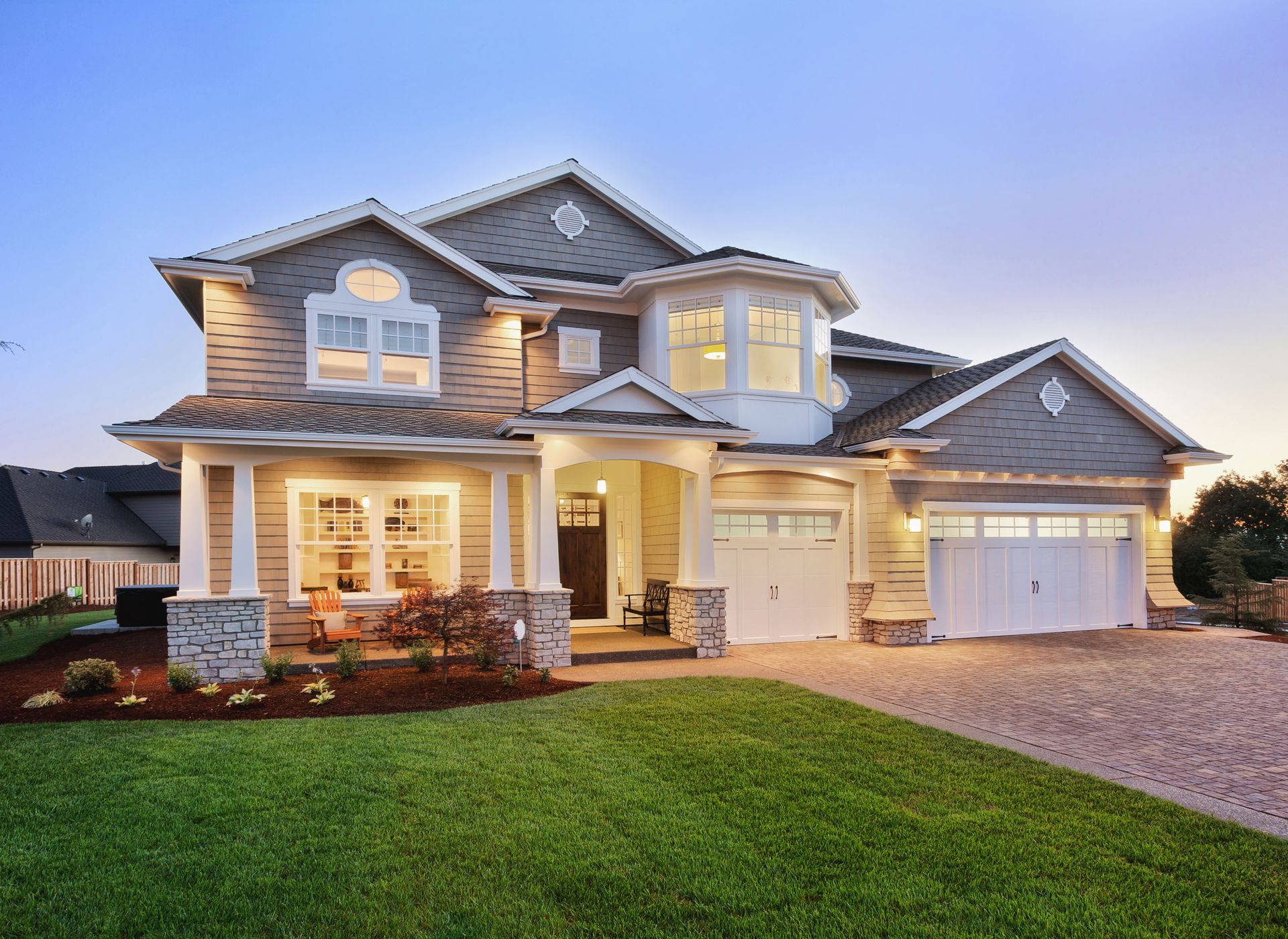
Modern windows come in many styles, sizes, materials, and finishes, making it easier to complement a home's existing architecture. Whether the property has a traditional or contemporary appearance, carefully selected windows can improve curb appeal while providing functional benefits.
Creating a More Cohesive Interior
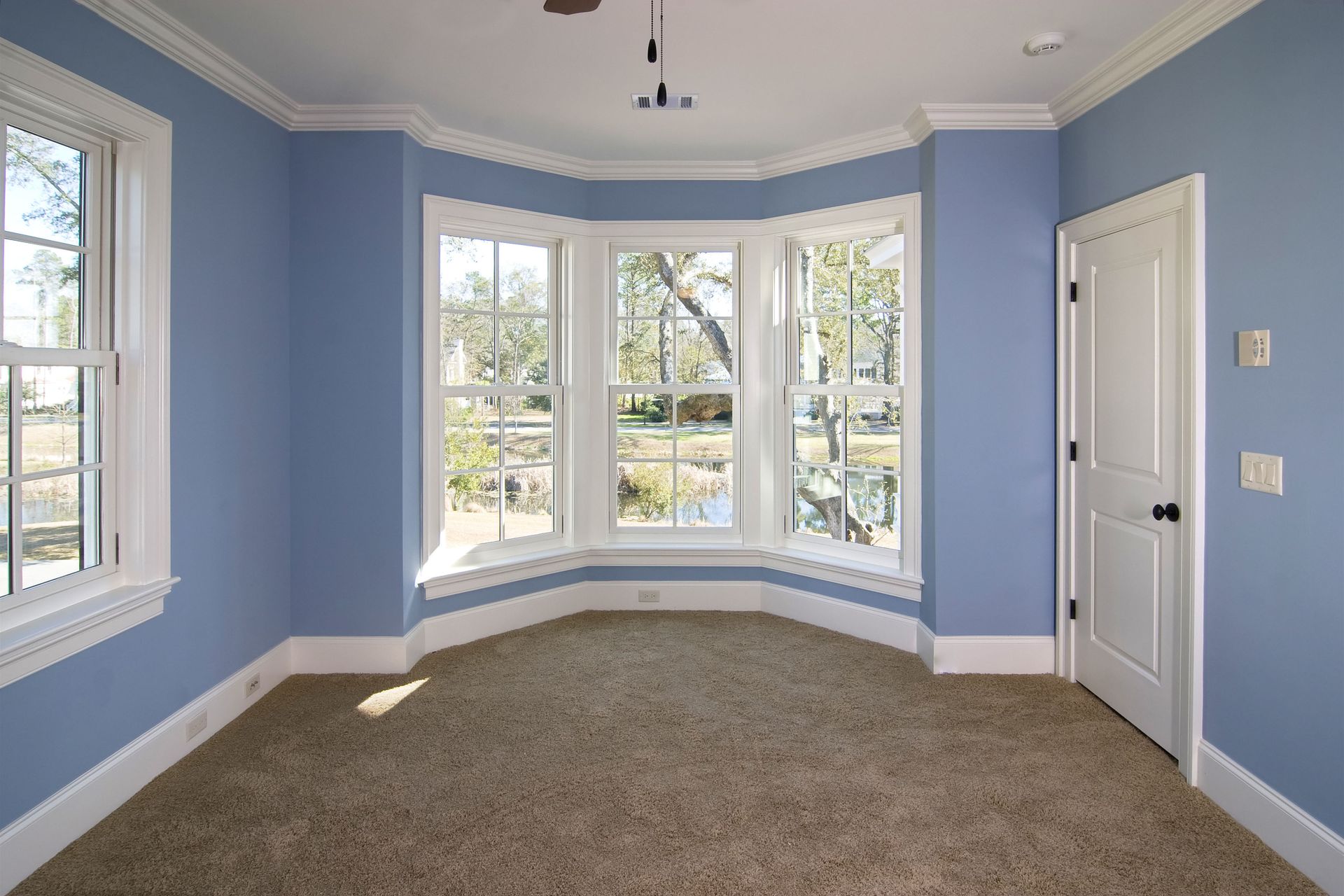
Windows influence the appearance and atmosphere of interior spaces as well. Larger openings can bring in more natural light, while updated frames and finishes can complement existing design choices. The right windows can make rooms feel brighter, more open, and more inviting.
Supporting Resale Appeal
Energy efficiency and updated features can be appealing to prospective buyers. Well-maintained, modern windows may signal that a home has received meaningful improvements while reducing concerns about drafts, maintenance, and energy performance. These qualities can make a property more attractive when it eventually enters the market.
Reducing Environmental Impact
Lowering Household Energy Use
Improving a home's insulation can reduce the energy required to maintain comfortable indoor temperatures. When heating and cooling systems do not have to compensate as heavily for heat loss or gain, the home's overall energy demand may decrease. This can support both household efficiency and broader environmental goals.
Choosing Durable Window Materials
Durability is another consideration when evaluating new windows. Quality materials can withstand changing weather conditions and provide reliable performance for many years. Longer-lasting products may also reduce the frequency of replacement and the amount of waste associated with removing and disposing of older windows.
Supporting Sustainable Home Improvements
Energy-efficient windows are one part of a larger approach to creating more efficient homes. Along with proper insulation and efficient HVAC equipment, better-performing windows can help reduce unnecessary energy consumption. These upgrades allow homeowners to improve comfort while making more thoughtful use of household resources.
Increasing Personal Comfort and Well-Being
Maintaining Consistent Indoor Temperatures
One noticeable advantage of updated windows is improved temperature consistency. Rooms near older windows may feel colder in winter or warmer in summer. A properly planned window replacement can reduce these differences and help create a more comfortable environment throughout the home.
Reducing Outside Noise
Modern window systems can help reduce the amount of outside noise entering a home. Multiple glass layers, quality seals, and improved frame designs can create a stronger barrier against traffic, neighborhood activity, and other outdoor sounds. A quieter interior can make it easier to relax, work, or sleep.
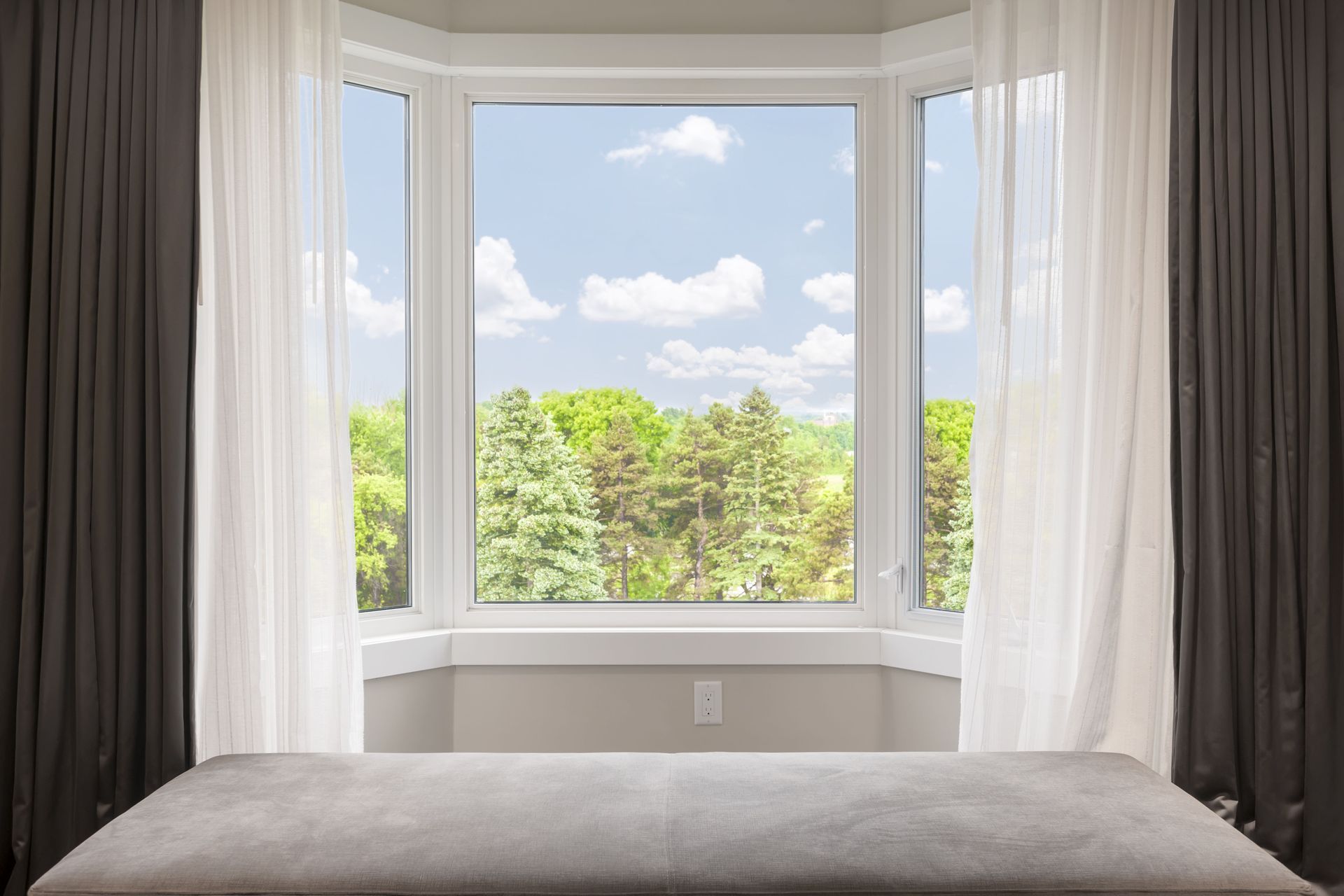
Increasing Natural Light
New windows can improve access to natural light without sacrificing insulation. Modern glass technologies allow homeowners to enjoy brighter interiors while still limiting unwanted heat transfer. More natural light can make living spaces feel more open and welcoming during the day.
Planning a Successful Window Upgrade
Assessing Existing Window Performance
Before replacing windows, homeowners should consider signs of poor performance, including noticeable drafts, condensation, damaged frames, difficult operation, or uneven indoor temperatures. Identifying these problems can make it easier to determine which improvements will provide the greatest value.
Selecting Windows for Long-Term Performance
Window selection involves more than appearance. Glass type, frame material, insulation characteristics, design, and installation quality all affect performance. Choosing products suited to the home's needs can help homeowners maximize comfort and energy efficiency during a window replacement.
Relying on Professional Installation
Even high-quality windows may not perform as expected if they are installed incorrectly. Professional installation helps ensure that windows are properly fitted, sealed, and aligned. Working with an experienced contractor can make the upgrade process more reliable while helping homeowners get the full benefits of their investment.
Upgrading inefficient windows can address drafts, improve insulation, reduce energy waste, and enhance the appearance of a home. When homeowners are ready to explore window replacement options, B & D Construction Co., Inc. can help with improvements designed to create a more comfortable and efficient home. Contact the company to discuss your window needs and determine the right approach for your property.