October 13, 2026
Maintaining a comfortable indoor environment year-round requires more than just a high-performing HVAC system. While many homeowners focus on upgrading thermostats or servicing furnaces, the true foundation of thermal control lies within the building envelope. Two of the most vulnerable areas for thermal loss are the uppermost and lowermost boundaries of a residence: the attic and the basement. Proper air sealing and insulation in these zones create a barrier that stabilizes temperatures, eliminates drafts, and lowers energy expenditure. Understanding how thermal performance impacts everyday living can help homeowners optimize their spaces while paving the way for future upgrades, such as a comprehensive basement finishing project.
Understanding Thermal Dynamics in the Home
Heat naturally flows from warmer spaces to cooler spaces through conduction, convection, and radiation. During cold weather, heated interior air rises toward the top of the house. This phenomenon, known as the stack effect, creates a vacuum-like draw at the lowest level of the home. As warm air escapes through uninsulated attic spaces, cold air is drawn inside through basement rim joists, foundations, and lower-level wall assemblies.
During warmer months, this dynamic reverses. Sun exposure bakes the roof, causing heat to radiate downward into upper-level rooms. Uninsulated attics trap this heat, forcing air conditioning systems to run continuously to maintain a set temperature. Simultaneously, subterranean levels remain cool and damp, creating high relative humidity that spreads upward into main-level living areas. By addressing both thermal boundaries — the top and bottom of the residence — homeowners can block heat transfer, regulate humidity levels, and establish consistent comfort across every level.
Eliminating Upper-Level Heat Loss through Attic Upgrades
The attic functions as the main thermal cap of a residential building. Without adequate insulation, heat escapes rapidly during the winter and builds up relentlessly during the summer. Upgrading attic insulation stops heat from transferring through ceiling drywall, preventing cold spots in upstairs bedrooms during winter nights and suffocating heat spikes in the afternoon.
Beyond temperature control, proper attic air sealing prevents moisture-laden indoor air from reaching colder roof decking. When warm air condenses on chilly attic surfaces, it creates moisture problems that can degrade building materials over time. Sealing air leaks around light fixtures, plumbing stacks, and chimney chases before adding high-performance insulation ensures a durable, long-lasting barrier that keeps conditioned air where it belongs.
Improving Subterranean Performance through Lower-Level Insulation
While attics control heat rising from above, lower levels control the foundational environment below. Concrete foundation walls are conductive, meaning they readily transfer the natural cold of the surrounding earth into the interior space. Uninsulated lower-level walls and rim joists act as constant thermal bridges, cooling the floor joists of the main story and causing uncomfortable draftiness underfoot.
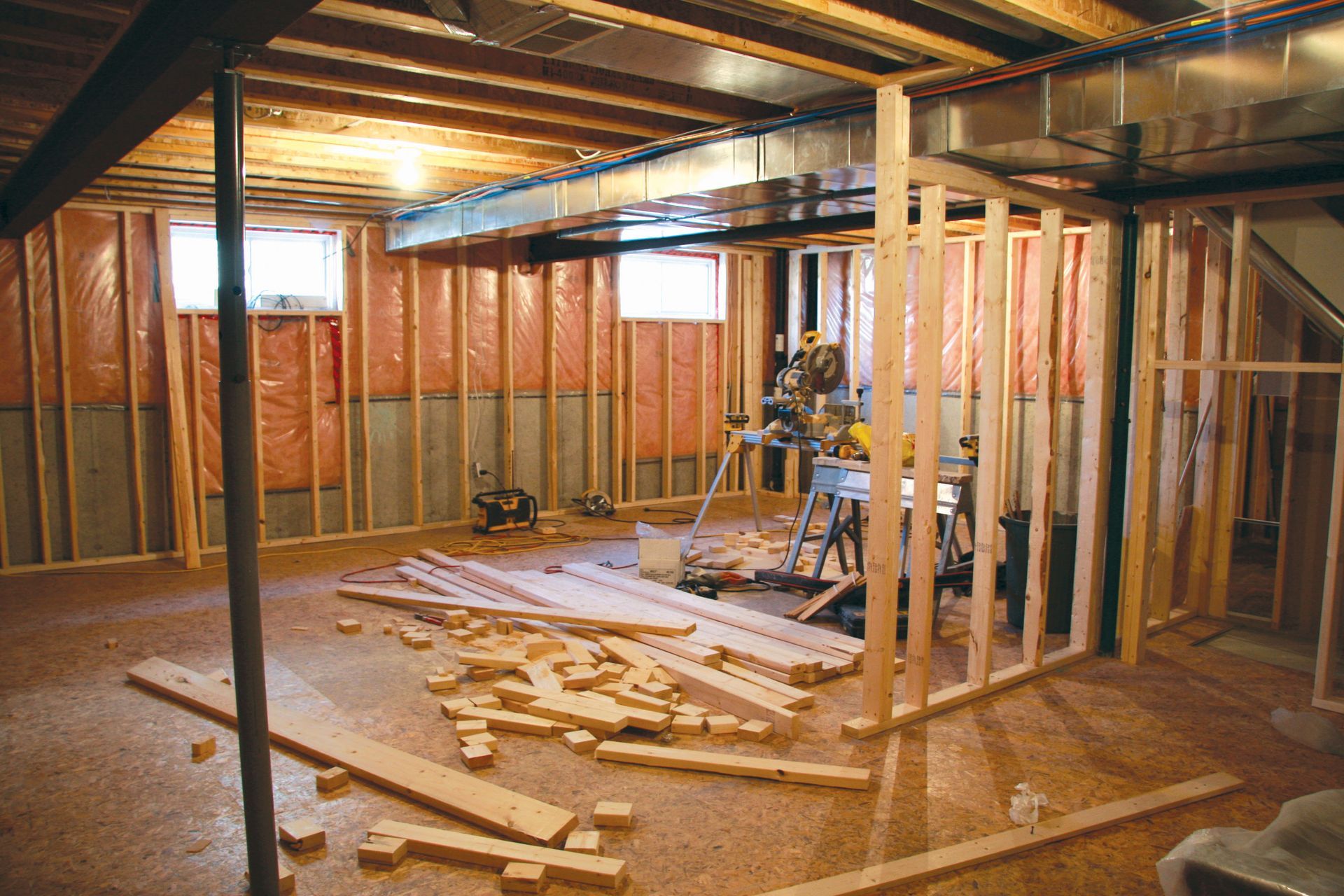
Addressing insulation along lower-level walls creates a warm, dry environment that drastically enhances whole-house comfort. A well-insulated lower level also serves as the perfect structural foundation for future updates. For homeowners considering a complete basement finishing project, installing robust thermal barriers and vapor retarders is an essential preliminary step. Proper wall insulation protects drywall, flooring, and interior finish work from humidity accumulation and temperature fluctuations, ensuring that finished lower-level living areas remain comfortable in every season.
Key Benefits of Proper Insulation & Envelope Sealing
Enhancing Whole-Home Energy Efficiency and Cost Control
The financial benefits of envelope sealing and thermal insulation updates are well-documented. According to the U.S. Environmental Protection Agency, an average of 15% on heating and cooling costs can be saved by air sealing homes and adding insulation to the attics, floors over crawl spaces, and basement rim joists. These persistent savings provide a strong return on investment while immediately reducing the workload on heating and cooling equipment.
When an HVAC unit operates without battling constant thermal loss, it runs less frequently and experiences less mechanical stress. This reduction in system cycling leads to more balanced indoor airflow, reduced equipment noise, and fewer temperature swings between cycles. Furthermore, lower energy consumption reduces the overall carbon footprint of the household, aligning home improvements with long-term environmental sustainability.
Creating Usable Living Spaces with Enhanced Climate Control
A common motivation for addressing lower-level insulation is the desire to expand functional square footage within the home. A dark, damp, and chilly lower level often becomes underutilized storage space. By insulating foundation walls and controlling ambient moisture, homeowners can turn raw concrete rooms into warm, inviting environments suitable for daily use.
Investing in basement finishing transforms neglected lower levels into functional entertainment rooms, home offices, guest suites, or playrooms. However, the success of any endeavor depends entirely on the quality of the underlying thermal and moisture control systems. Without adequate insulation behind new wall assemblies, finished lower levels will remain cold, uncomfortable, and susceptible to ambient dampness. Performing thorough air sealing and insulation work guarantees that new living areas match the comfort, climate control, and indoor environmental quality of the upper floors.
Reducing Drafts and Enhancing Indoor Air Quality
Unsealed and uninsulated attics and lower levels serve as primary entry points for exterior pollutants, allergens, and unconditioned outdoor air. In uninsulated lower levels, moisture migration through porous foundation walls can foster elevated humidity levels, leading to musty odors that migrate upward into main living quarters.
Properly installed insulation acts as a physical filter and air barrier. Sealing air pathways along the foundation and attic floor stops outdoor dust, pollen, and airborne particles from infiltrating interior spaces. Furthermore, controlling relative humidity in lower levels prevents damp air from circulating through the HVAC ductwork. Whether a homeowner is preparing for a full basement finishing project or simply seeking a healthier indoor environment, optimizing thermal boundaries plays a central role in maintaining overall indoor air quality.
Thermal Efficiency & Home Improvement Integration
Complementing Broader Remodeling and Upgrading Projects
Insulation upgrades do not exist in isolation; they complement and enhance many other home improvement initiatives. For instance, replacing outdated windows and exterior doors works in tandem with attic and lower-level insulation to create an airtight building envelope. Installing energy-efficient window replacement options alongside upgraded siding and trim work ensures that exterior walls perform as effectively as the top and bottom bounds of the structure.
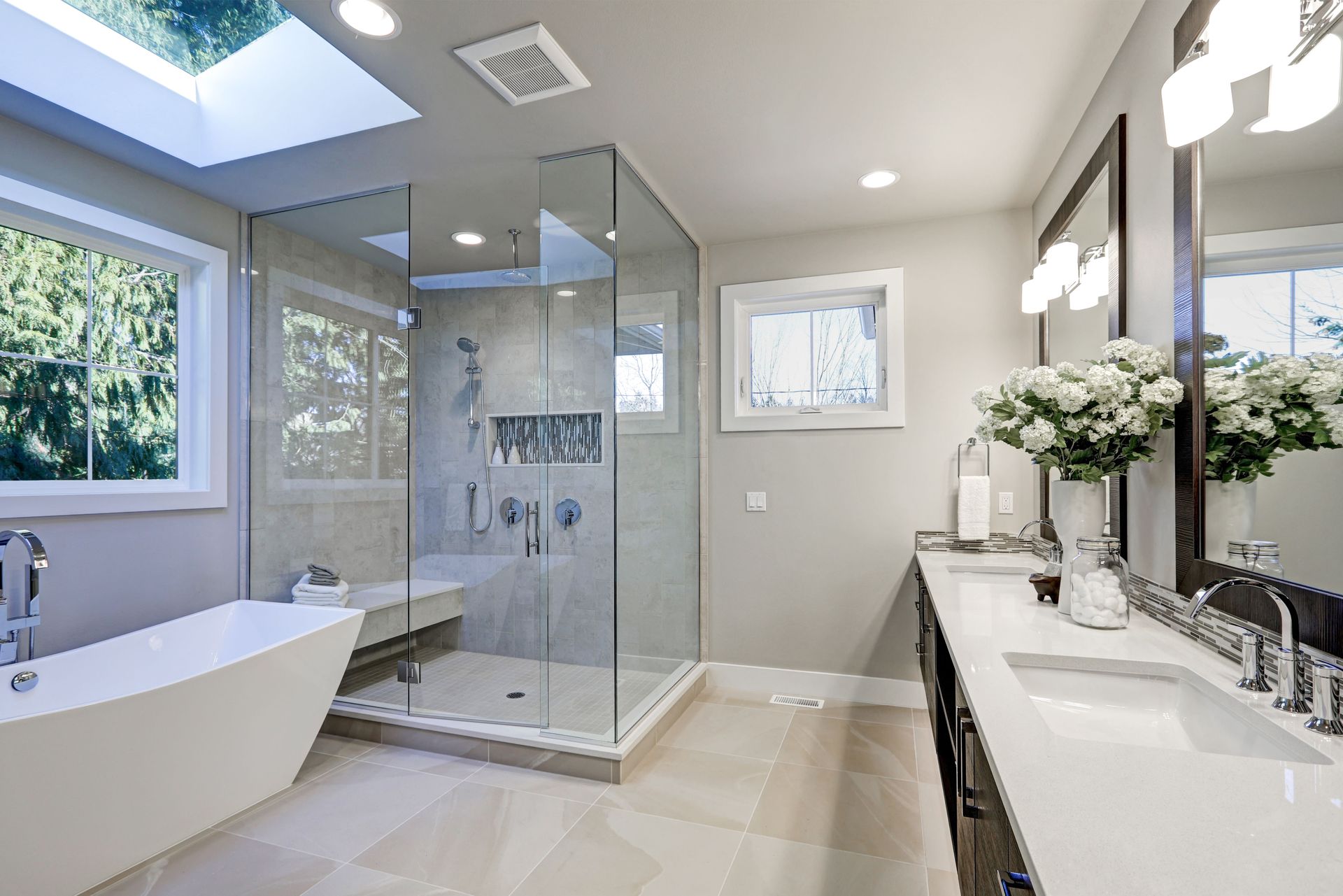
Similarly, interior remodeling efforts benefit significantly from envelope enhancements. When undertaking kitchen remodeling, bathroom remodeling, or building custom room additions, stabilizing interior temperatures ensures that newly renovated spaces remain comfortable without putting extra strain on existing mechanical systems. Homeowners planning a multi-phase remodeling journey often discover that prioritizing thermal insulation in the early phases creates a more stable, comfortable environment for all subsequent construction work, including custom finish work, sunroom builds, or a comprehensive basement finishing project.
Protecting Structural Integrity through Thermal Management
Beyond daily comfort and monthly savings, insulation serves a critical protective function for the physical structure of the home. Uncontrolled thermal movement causes building materials to expand and contract repeatedly, putting stress on framing, drywall joints, and exterior finishes. Moisture migration caused by thermal differentials can also damage structural framing, lower-level floor joists, and subflooring over extended periods.
By stabilizing interior temperatures and mitigating condensation risks, proper insulation preserves the structural elements of the building. This protective barrier extends the lifespan of interior drywall, custom finish work, door installation projects, and floor coverings throughout the entire residence. Ensuring the structural envelope remains dry and temperature-controlled safeguards the long-term value of all homes.
Attic insulation and
basement finishing are among the most effective strategies for improving overall home comfort, stabilizing indoor climate control, and maximizing energy efficiency. By creating a continuous barrier against heat loss, air infiltration, and moisture transfer, homeowners can eliminate frustrating room-to-room temperature variations and enjoy lower utility expenditures throughout the year. When you are ready to evaluate your building envelope or explore comprehensive home remodeling solutions, contact B & D Construction Co Inc to discuss your vision.